
September 2026 -Welcome to this month’s update.
Thank you to everyone who has submitted questions. This month we are focussing on how we are preparing for construction and the environmental improvements that will be delivered alongside the new coastal defences.
We hope you find this information helpful and we’d be grateful if you shared it with friends, neighbours, family members and visitors.
We’d also love to continue to hear from you — what information would you like to receive, and how often? If you have any questions or feedback, please email LangstoneCoastalScheme@havant.gov.uk.
Whilst much of the Langstone frontage is built-up, the scheme areas also include areas of grassland, woodland and scrub, several trees and a woodland located within/adjacent to the scheme area.
From January 2027, we will be continuing to prepare the frontage areas ahead of the start of main construction in April 2027.
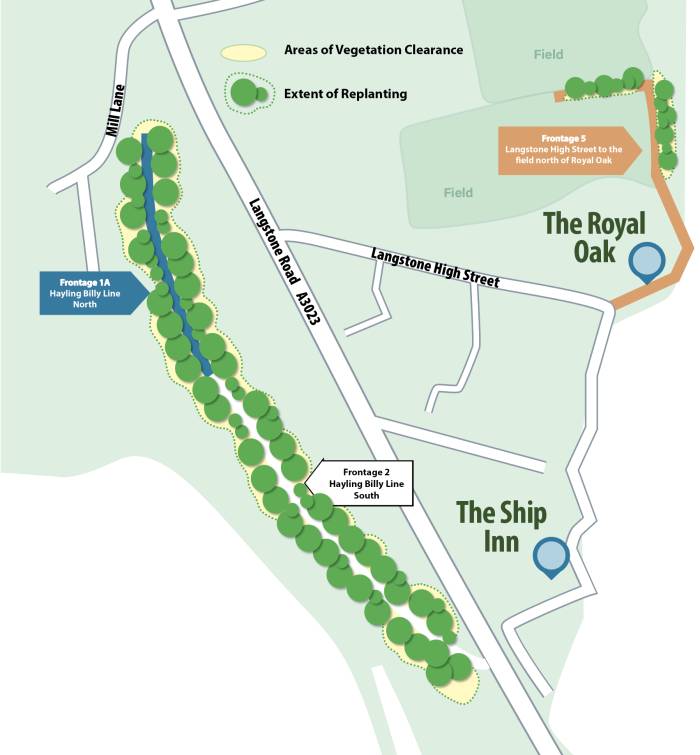
To construct the new coastal defences, some vegetation within the scheme footprint will need to be removed within Frontages 1A (Hayling Billy Line North), 2 (Hayling Billy Line South), and 5 (Langstone High Street to The Meadows) – please refer to the vegetation map below for details.
We understand that vegetation clearance is a concern for many people. We want to reassure you that only the minimum amount of vegetation necessary to allow construction to take place safely and efficiently will be removed. We are working closely with our contractor whilst construction methods continue to be refined, helping us to reduce the extent of vegetation clearance wherever possible and ensure that only areas essential for construction are affected.
Trees and vegetation that do not need to be removed will be protected throughout construction. Any trees and scrub removed will be replaced with an equal or greater number of appropriate native species, sizes and quality, helping to create a greener and more resilient landscape for the future.
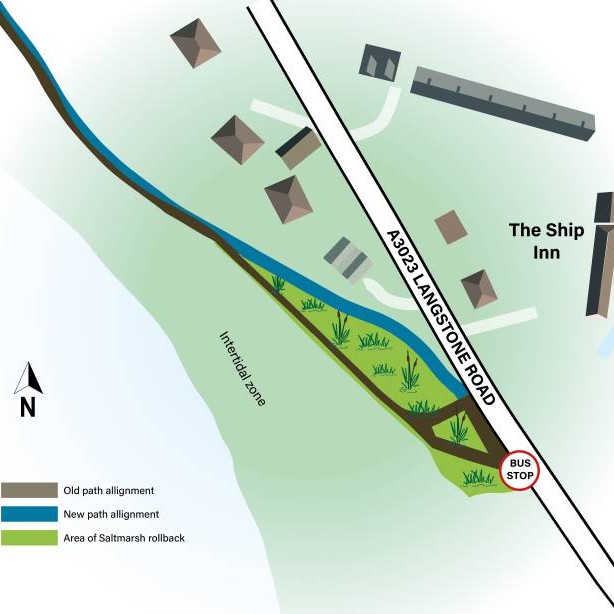
At Frontage 2, the areas of vegetated shingle habitat will be retained and protected during construction works and will not be impacted by vegetation clearance activities or removal of the existing defences. The existing shared path here will be realigned landwards to create space for the natural expansion and roll back of saltmarsh habitat within the adjacent creek.
Some native, hardy and quick growing species you can expect to see being planted across the scheme include Field Maple, Dog Rose and Alder trees, Meadow Buttercup and new hedgerow seed mixes.
Biodiversity Net Gain (BNG) is an national approach that ensures developments, including coastal defence projects, leave nature in a better state than before.
This means that the wildlife value of a site is carefully assessed and measured before construction begins, and new habitats are then created, improved or protected so that biodiversity increases overall by at least 10%. Depending on the site, this could include planting wildflower meadows, restoring woodland or improving habitats elsewhere when there is not enough space within the development area. In simple terms, development should not only replace what is lost; it should create more and better habitat for wildlife.
Alongside improved coastal flood and erosion protection, the scheme will create new opportunities for wildlife, biodiversity and people. New native planting, habitat creation, seating, interpretation boards and public realm features will help enhance Langstone’s special coastal environment for years to come.
When complete, the scheme will provide long-term benefits for both the community and the natural environment.
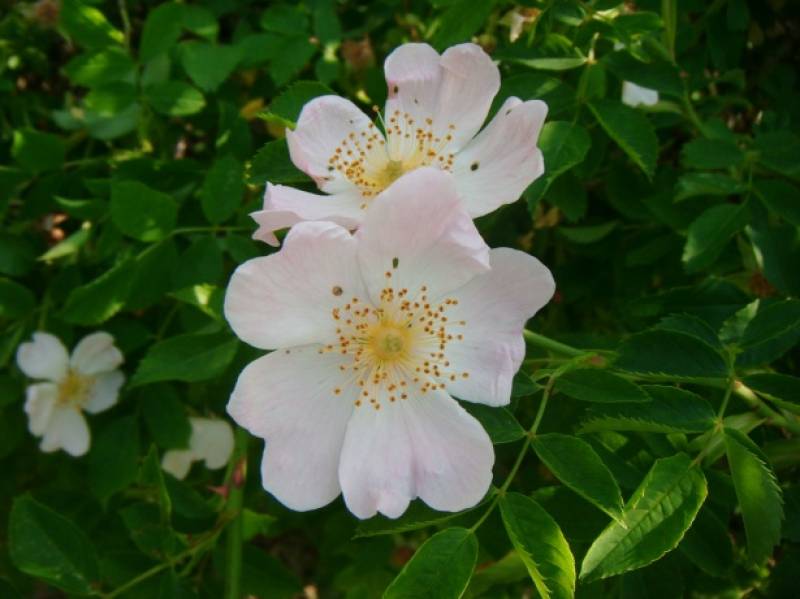
PLANTING Wildflowers and native trees, including fruit trees, will be planted along the Hayling Billy Line and in selected areas across the scheme.
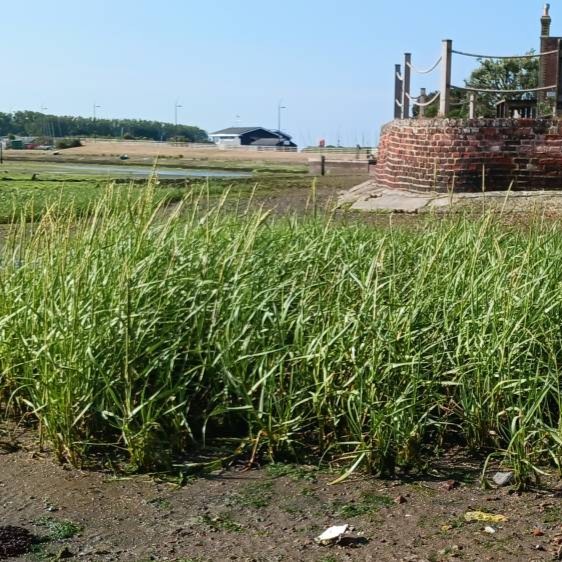
SALTMARSH HABITAT The harbours contain areas of saltmarsh, an important coastal habitat that supports birds, fish and other marine wildlife. Existing saltmarsh areas will be protected during construction while the footpath realignment at Frontage 2 will create space for future saltmarsh expansion, as illustrated in the map below.
BEE POSTS & BEE BRICKS Bee posts and bee bricks will be installed throughout the scheme to provide nesting opportunities for solitary bees, helping support biodiversity and local plant reproduction, boosting ecosystem health.
STAG BEETLE LOGGERIES Loggeries will create valuable habitat for stag beetles, providing places for adults to lay their eggs and for their larvae to feed on.
BAT BOXES Bat boxes will be installed on existing trees along the Hayling Billy Line to support the population of local bat species in the area.
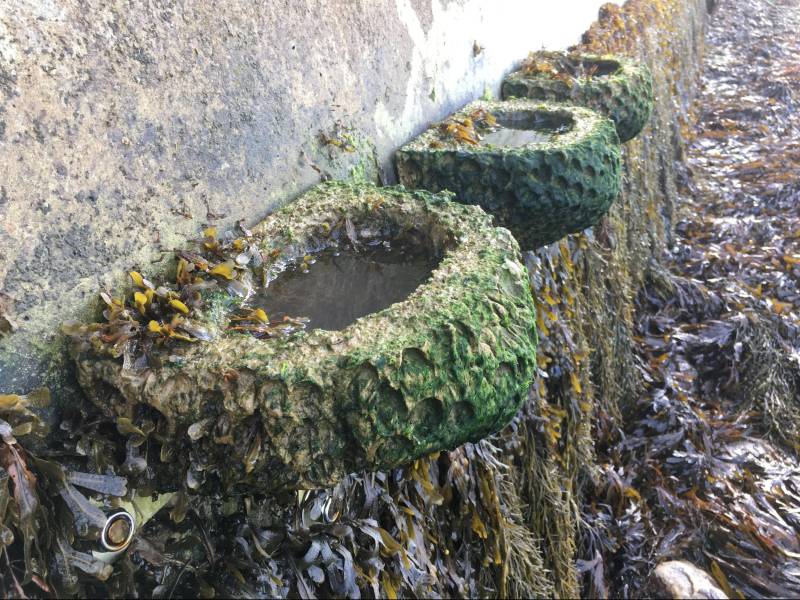
VERTIPOOLS Artificial vertical rockpools that create habitats for marine wildlife will be incorporated onto the quay walls. We will be teaming up with Artecology Create and the local community to design and build Vertipools that are unique to Langstone.
INFORMATION BOARDS A series of new information boards to highlight the special environmental features of the Langstone coastline are due to be installed.
We appreciate the continued support and interest shown by the community as we prepare for construction in April 2027.
Thank you for taking the time to read this newsletter. Please do continue to get in touch with any questions or feedback by emailing LangstoneCoastalScheme@havant.gov.uk.
We use cookies to improve your experience on this website. You may choose which types of cookies to allow and change your preferences at any time. Disabling cookies may impact your experience on this website. You can learn more by viewing our Cookie Policy.
